Creating incomparable value through Manufactured Housing.
Where smart acquisitions and active management combine to create long-term returns for investors.
We’ll let our numbers speak for themselves.
- BR – FMV Acquisitions
- Active Ownership
- Hands-On Value-Add Inputs
- Investment Returns Realized
- Repeat
We start by buying parks that make sense on day one.
- Below-market pricing: We target parks where the purchase price leaves room for improvement and upside, not “perfect” assets with no margin.
- Income upside: Low occupancy, below-market rents, or poor collections give us a clear path to grow NOI.
Operational fixes: Mismanaged parks, not bad parks. The difference is huge. - Location first: We prioritize markets with real demand for affordable housing, job growth, and strong rental fundamentals.
- Risk filters: We pass on deals that only work in a spreadsheet. If it doesn’t hold up under stress tests, we move on.
- Aligned from day one: Our goal at acquisition is simple: set the stage so that when we execute the plan, returns follow.
We stay involved - because “passive ownership” is how parks get mismanaged.
-
Weekly operating rhythm: We track the numbers that matter (occupancy, collections, delinquencies, work orders) and act fast when something slips.
-
On-site accountability: Clear expectations for managers, vendors, and teams – plus follow-ups to make sure things actually get done.
-
Resident communication: We keep things direct and respectful – clear rules, consistent enforcement, and quick responses to real issues.
-
Expense control: We review vendors, stop unnecessary spend, and prioritize fixes that protect the property and reduce repeat repairs.
-
Compliance + documentation: Leases, notices, payment plans, and files stay organized – because sloppy paperwork causes real problems.
-
Problem-spotting early: If something smells off (collections, maintenance, turnover), we dig in immediately instead of waiting for next quarter.
We don’t “value-add” with fancy words. We do it with real work.
-
Fix the basics first: Clean-up, safety issues, signage, lighting, and common areas – things residents notice immediately.
-
Maintenance that stays fixed: We prioritize repairs that stop repeat work orders and reduce long-term headaches.
-
Collections + lease clean-up: Clear lease terms, consistent enforcement, and systems that improve payment reliability without playing games.
-
Operational systems: Work-order tracking, vendor standards, unit/lot files, and processes that keep the property from running on chaos.
-
Occupancy lift: Fill vacancies the right way – better marketing, faster turns, tighter screening, and smoother move-ins.
-
Income capture (without being reckless): Correct billing issues, reduce leakage, and implement fair, supportable adjustments where needed.
-
Curb appeal that actually matters: Targeted exterior improvements that raise pride of ownership and reduce turnover.
Returns don’t come from hype. They come from execution.
-
NOI growth becomes real: Better occupancy, stronger collections, and smarter expenses translate into improved net operating income.
-
Stabilization unlocks options: Cleaner operations can support better financing terms, refinance opportunities, or a stronger sale position.
-
Distribution potential improves: As performance stabilizes, the ability to pay consistent distributions typically strengthens.
-
Equity value increases: Higher NOI can drive higher valuation – especially when the property is well-documented and lender-ready.
-
Clear investor reporting: Updates that are straightforward – what’s working, what’s not, what changed, and what’s next.
-
Risk management stays active: We don’t stop paying attention once things look good. We keep monitoring so gains don’t drift.
One good deal is nice, but a repeatable process is the goal.
-
Playbook-driven growth: We build processes that can scale – so every property isn’t run like a one-off science project.
-
Lessons learned, actually used: What we learn on Property A gets baked into how we buy and operate Property B.
-
Relationships compound: Brokers, lenders, vendors, and local teams get stronger over time – so execution gets easier.
-
Better underwriting over time: Real operating data improves our assumptions and helps us avoid bad deals faster.
-
Systems get tighter: Reporting, controls, maintenance workflows, and resident communication keep improving each cycle.
-
Long-term thinking: We focus on sustainable performance, not quick wins that create bigger problems later.
Investment advantages that just make sense.
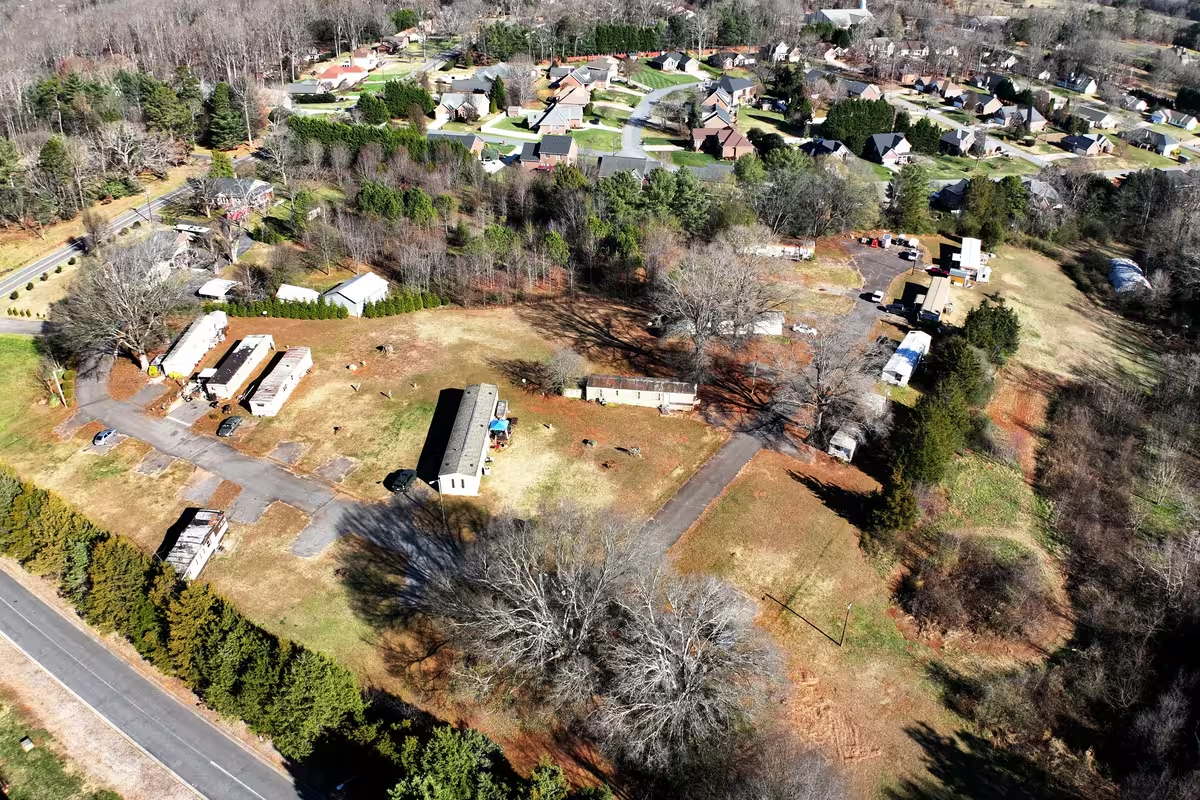
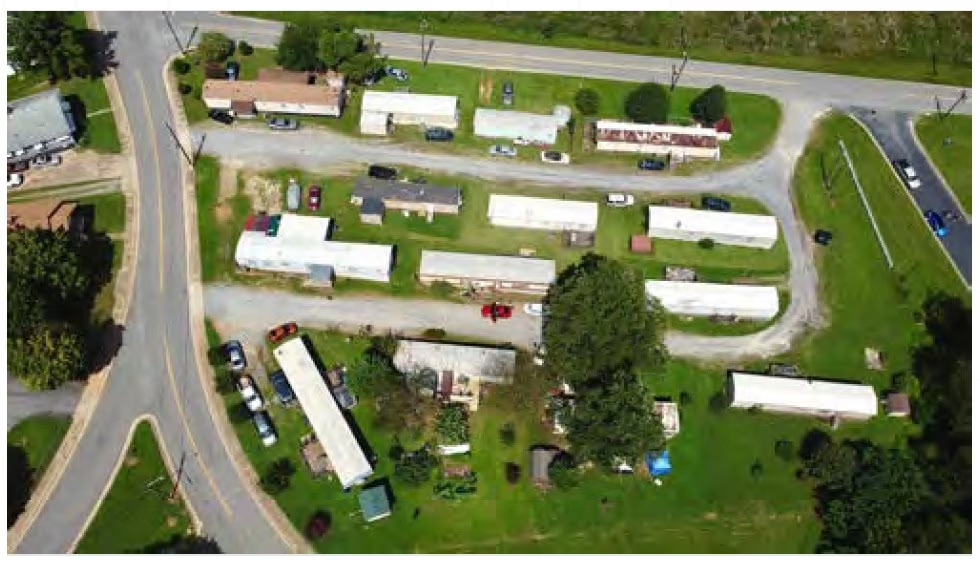
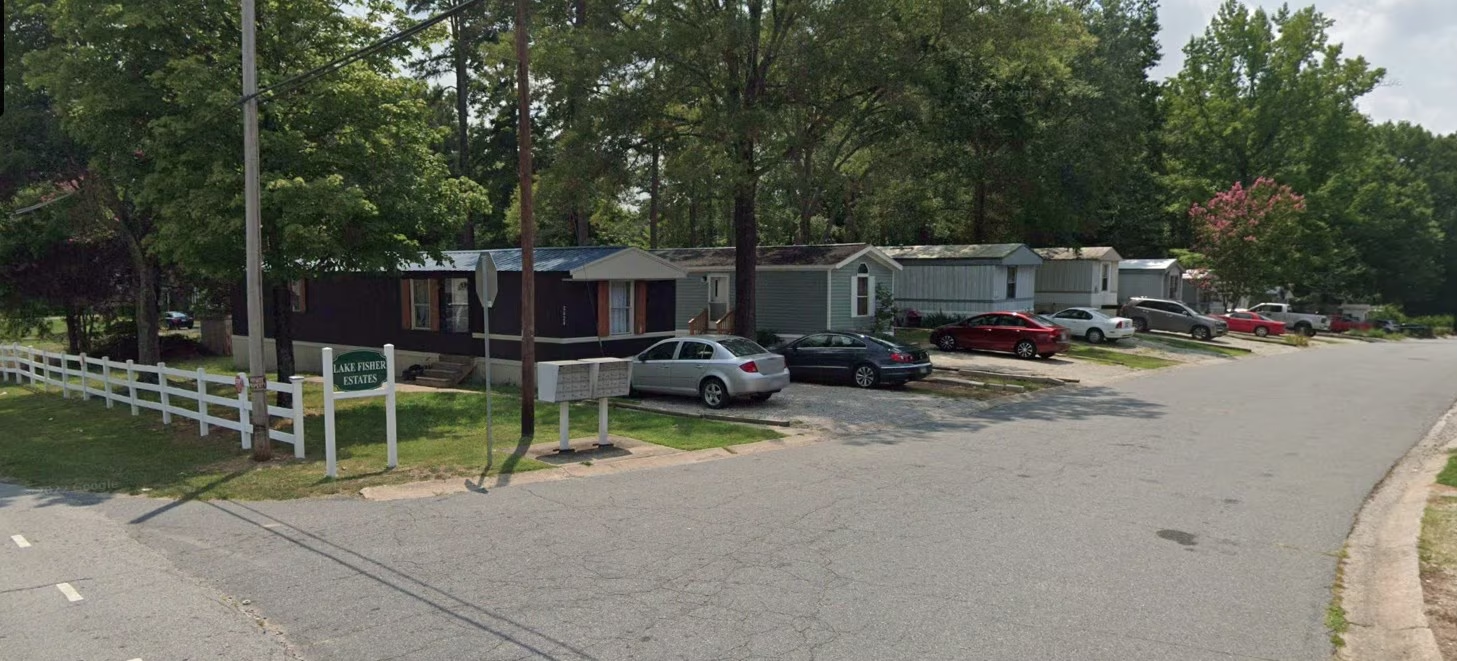
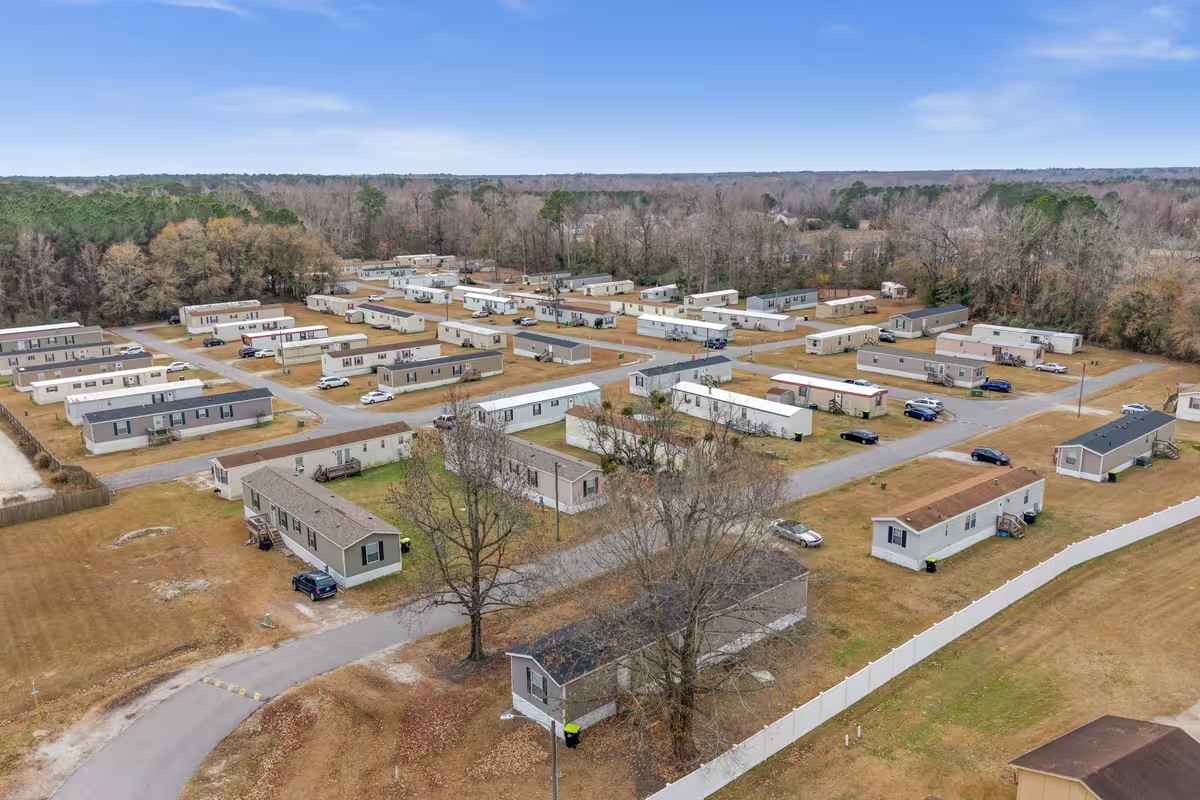
Our acquisitions portfolio.